
Affordable Rapid Test Cost Manufacturers in China | Quality Diagnostics Solutions
By:Admin
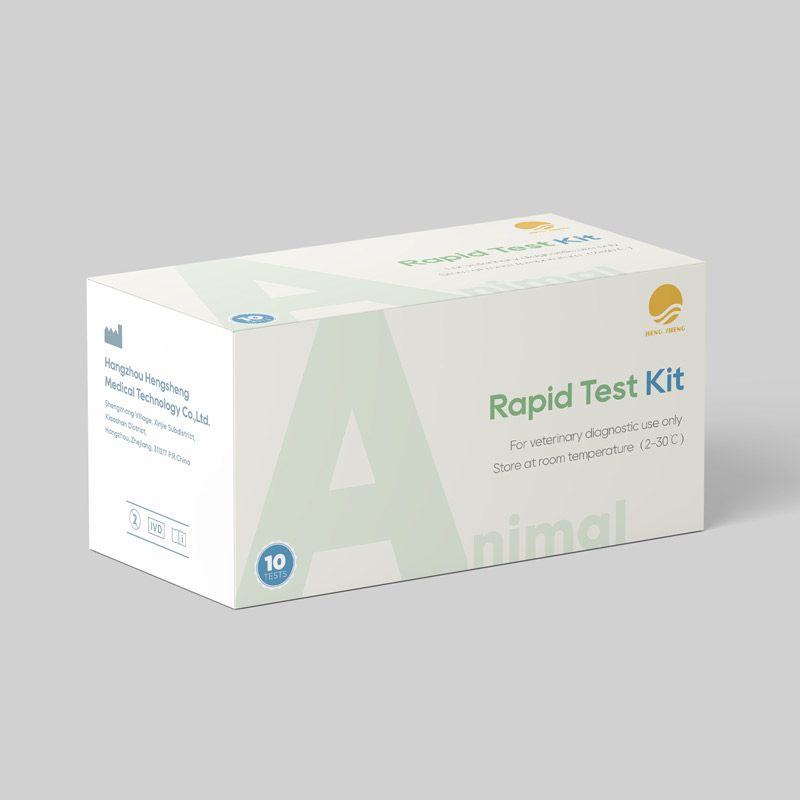
In recent years, the demand for rapid testing solutions has surged globally, fueled by the increasing need for prompt and accurate diagnostics in healthcare, public safety, and consumer markets. China, as a leading hub for medical manufacturing, plays a pivotal role in supplying affordable rapid test kits to meet this burgeoning demand. This article explores the landscape of rapid test cost manufacturers in China, highlighting their commitment to quality, innovation, and cost-effectiveness — all crucial factors enabling widespread accessibility to vital diagnostic tools.
### China's Rapid Test Manufacturing Industry: A Growing Powerhouse
The rapid test market in China has expanded significantly, with manufacturers constantly improving production capacities and technological capabilities. China’s strategic focus on healthcare innovation, supported by government initiatives and investment in biomedical industries, has spurred a competitive yet collaborative environment among manufacturers.
Rapid test kits, used primarily for detecting infectious diseases such as COVID-19, influenza, HIV, and other pathogens, require a delicate balance of affordability, accuracy, and ease of use. Chinese producers have leveraged advanced manufacturing technologies and streamlined supply chains to deliver products that meet international regulatory standards while maintaining cost-effectiveness.
### Cost Efficiency Through Advanced Manufacturing and Economies of Scale
One of the critical advantages that Chinese rapid test manufacturers offer is cost efficiency derived from economies of scale and technological innovation. With large-scale production facilities equipped with automation and quality control systems, these manufacturers can significantly reduce per-unit production costs without compromising product quality.
Moreover, vertical integration in the supply chain allows manufacturers to control raw material sourcing and component manufacturing, further cutting costs. For example, some companies produce their own test strips, reagents, and packaging materials, which minimizes reliance on external suppliers and reduces overall expenses.
### Commitment to Quality and Compliance
While cost competitiveness is important, Chinese rapid test manufacturers understand that quality assurance is paramount, particularly in the medical diagnostics field. Hence, most leading companies adhere to stringent quality management systems such as ISO 13485 certification, and comply with regulatory requirements from authorities like the U.S. FDA, European CE, and WHO.
These certifications ensure that rapid test products maintain high standards for sensitivity, specificity, and reliability — critical parameters for accurate diagnosis. Manufacturers invest heavily in research and development (R&D) to refine assay methodologies, improve detection limits, and develop user-friendly formats such as lateral flow immunoassays and molecular diagnostics.
### Innovation and R&D: Fueling Next-Generation Rapid Tests
China’s rapid test manufacturers are at the forefront of innovation, constantly advancing their product portfolios with next-generation diagnostics. Integration of cutting-edge technologies such as nucleic acid amplification tests (NAATs), CRISPR-based detection, and smartphone-enabled readers is becoming more prevalent.
In addition to infectious disease detection, these companies are expanding into rapid testing for biomarkers related to chronic diseases, drug abuse, food safety, and environmental monitoring. This diversification not only broadens market reach but also strengthens the resilience and adaptability of manufacturers amid changing healthcare needs.
### Market Reach and Global Partnerships
Chinese rapid test manufacturers actively engage in global markets, exporting their products worldwide to meet demand in both developed and developing countries. Competitive pricing combined with reliable supply has made them key partners for international health organizations, government procurement agencies, and private distributors.
Furthermore, strategic collaborations with foreign entities — including joint ventures, OEM/ODM partnerships, and technology sharing agreements — enable Chinese manufacturers to tailor products to different regulatory environments and customer preferences.
### The Role of Digital Platforms and E-commerce
In addition to traditional distribution channels, digital platforms and e-commerce have become vital in expanding the market reach of rapid test kits. Chinese manufacturers utilize online B2B marketplaces to connect with overseas buyers, streamlining ordering processes and logistics.
This digital transformation not only accelerates international trade but also fosters transparency, enabling buyers to compare products, certifications, and prices efficiently. Additionally, some manufacturers have launched proprietary online platforms to offer product information, technical support, and after-sales services.
### Challenges and Outlook
Despite the impressive growth and strengths of China’s rapid test cost manufacturers, challenges remain. Geopolitical factors, trade restrictions, and intellectual property concerns occasionally affect international business relations. Moreover, the rapid pace of technological advancement demands continuous investment in R&D to stay competitive.
However, the overall outlook is optimistic. The ongoing global emphasis on healthcare preparedness, early disease detection, and personalized medicine is expected to sustain strong demand for rapid test solutions. Chinese manufacturers’ ability to deliver affordable, high-quality products positions them well to meet future challenges and opportunities.
### Conclusion
China’s rapid test cost manufacturers have emerged as vital contributors to global health diagnostics, providing affordable and reliable testing solutions worldwide. Through a blend of advanced manufacturing, strict quality control, continuous innovation, and international collaboration, they ensure that rapid tests are accessible to diverse populations, ultimately aiding in disease control and improved public health outcomes.
As the global healthcare landscape evolves, these manufacturers will likely continue to play a strategic role in shaping the future of rapid diagnostics, enabling timely and cost-effective disease detection for communities everywhere.